woman holding a phone and man looking at the phone. both are smiling

Sensor Deployment

Maximizing Security with Strategic Sensor Deployment

Maximizing Security with Strategic Sensor Deployment

PathfinderZA™ sensors are designed for flexibility, precision, and reliability. How and where these sensors are employed directly impacts the effectiveness of your security system. Correct sensor deployment ensures early threat detection, reduces false alarms, and provides actionable intelligence in real time.
Deployment strategies

Deployment strategies

worker on laboratorium

Point of Penetration (POP)

POP refers to placing sensors at likely entry points where intrusions could occur.

  • Best practices

    Identify high-risk areas such as fences, gates, and natural borders. Ensure overlapping coverage to minimize blind spots.

  • Example

    Deploying POP sensors along a remote lodge fence allowed security personnel to detect unauthorized access within minutes, enabling immediate intervention.

worker on laboratorium

Point of Penetration (POP)

POP refers to placing sensors at likely entry points where intrusions could occur.

  • Best practices

    Identify high-risk areas such as fences, gates, and natural borders. Ensure overlapping coverage to minimize blind spots.

  • Example

    Deploying POP sensors along a remote lodge fence allowed security personnel to detect unauthorized access within minutes, enabling immediate intervention.

worker on laboratorium

Route Analysis Detection (RAD)

RAD involves placing sensors along paths that intruders or vehicles are likely to travel.

  • Best Practices

    Monitor common routes such as roads, trails, and open corridors. Use a combination of short- and long-range sensors for maximum detection.

  • Example

    Sensors along a rural boundary identified multiple unauthorized movements while differentiating between humans and wildlife, reducing false alerts.

worker on laboratorium

Route Analysis Detection (RAD)

RAD involves placing sensors along paths that intruders or vehicles are likely to travel.

  • Best Practices

    Monitor common routes such as roads, trails, and open corridors. Use a combination of short- and long-range sensors for maximum detection.

  • Example

    Sensors along a rural boundary identified multiple unauthorized movements while differentiating between humans and wildlife, reducing false alerts.

worker on laboratorium

Area Surveillance

Sensors are deployed across an area to monitor movement patterns rather than just specific points.

  • Best Practices

    Use a grid pattern to maximize coverage. Adjust placement based on terrain features and environmental factors.

  • Example

    In a conservation area, area surveillance sensors provided real-time data on human intrusion while monitoring wildlife activity seamlessly.

worker on laboratorium

Area Surveillance

Sensors are deployed across an area to monitor movement patterns rather than just specific points.

  • Best Practices

    Use a grid pattern to maximize coverage. Adjust placement based on terrain features and environmental factors.

  • Example

    In a conservation area, area surveillance sensors provided real-time data on human intrusion while monitoring wildlife activity seamlessly.

Questions answered about PathFinder

What is the Pathfinder security product?

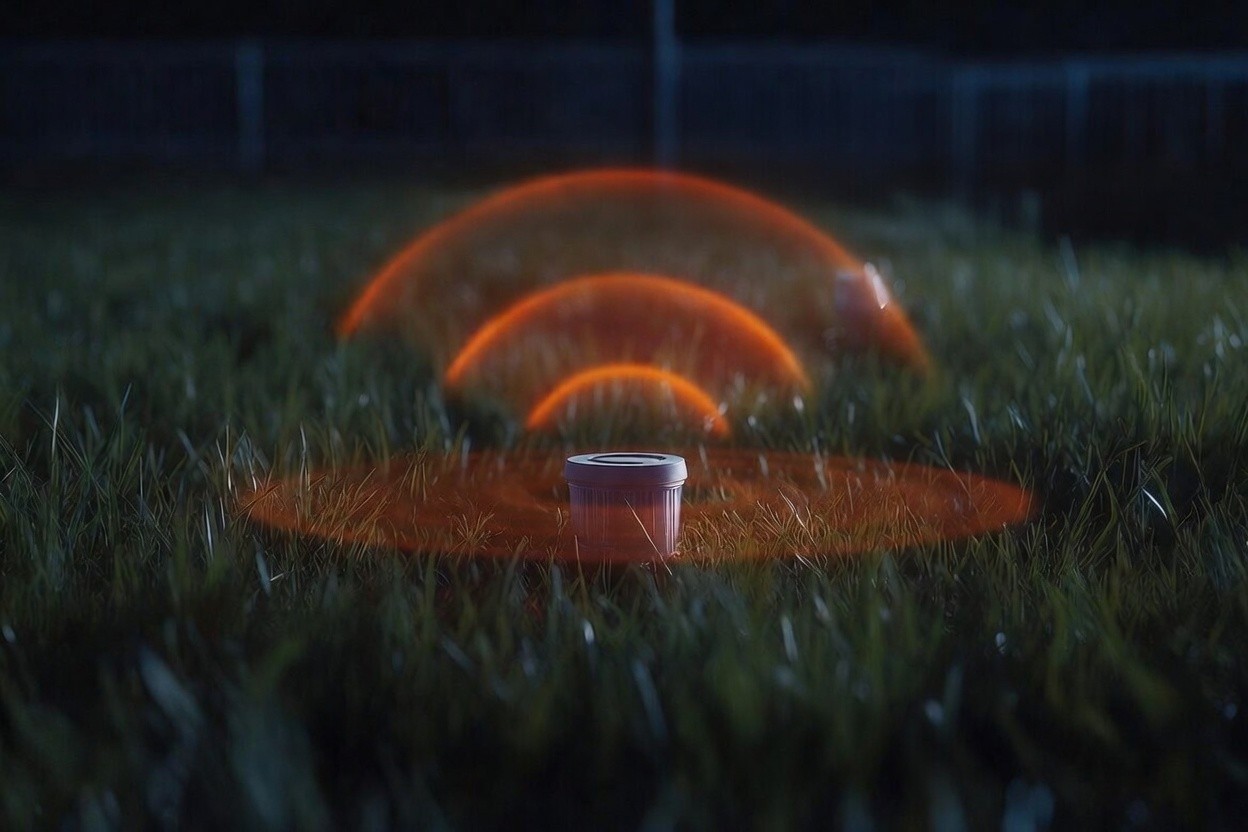
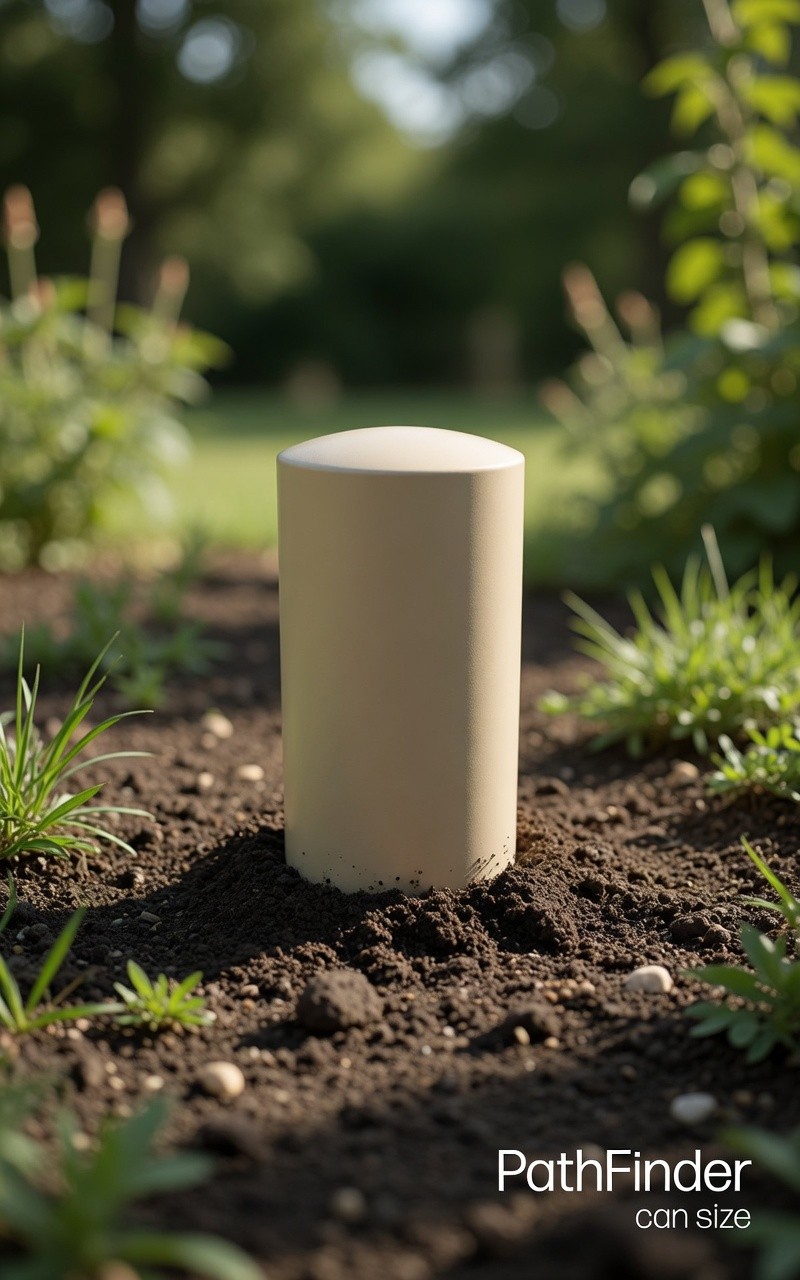
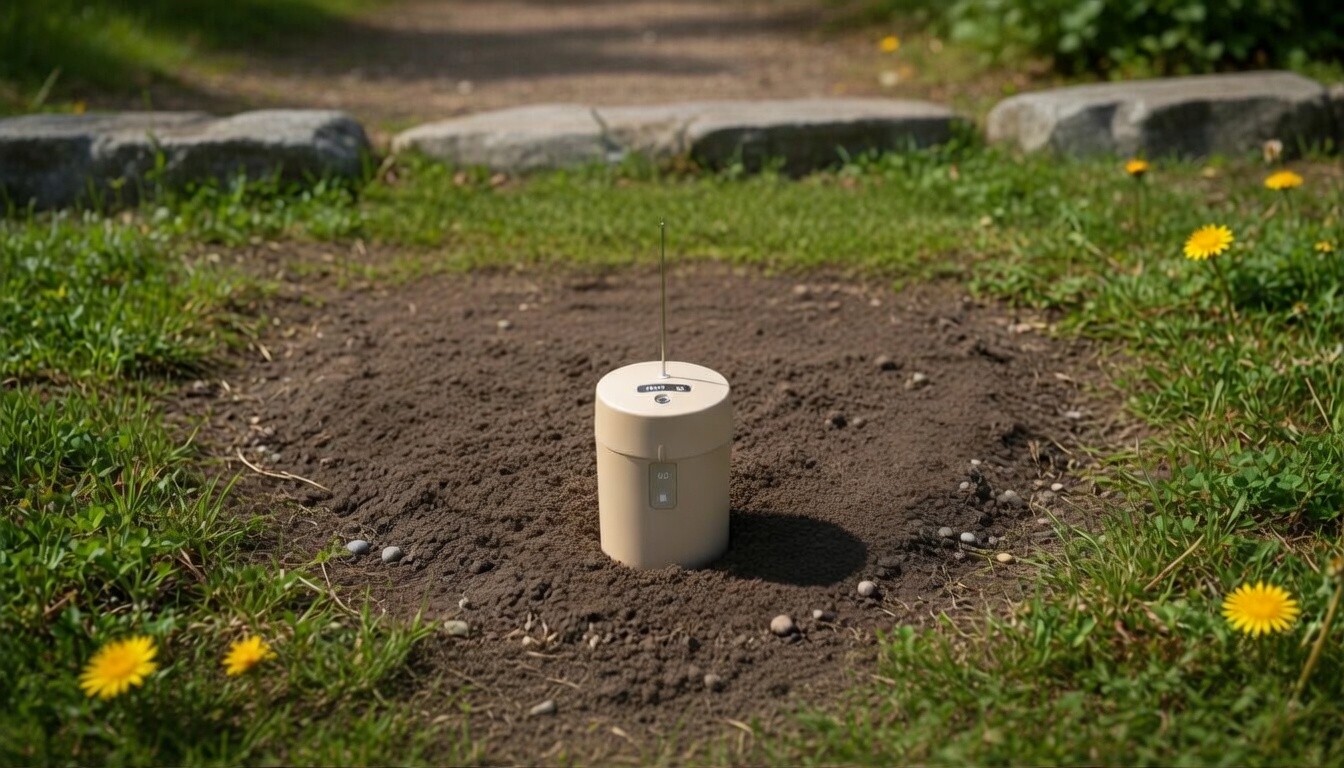
Pathfinder is a covert, battery-powered Unattended Ground Sensor (UGS) system designed for advanced perimeter and border security. It uses small, concealable seismic sensors (about the size of a coffee cup) that detect human footsteps and vehicles in real time, sending instant alerts before intruders can reach your property. It is ideal for rural and off-grid locations in South Africa where traditional security systems are difficult to deploy.

How does the Pathfinder system work?

The sensors are buried or hidden along key access routes and detect seismic vibrations caused by footsteps (up to approximately 10–20 m radius) or off-road vehicles. Using intelligent algorithms, they instantly transmit alerts via long-range proprietary RF radio directly to your mobile app or command centre, displaying the exact location on a map. No internet, power infrastructure, repeaters, or gateways are required.

What are the main advantages of Pathfinder compared to other intrusion detection systems?

Pathfinder stands out because it needs no external power, wiring, or repeaters, making installation fast and low-cost. It offers a very small footprint, long wireless transmission range (up to 10 km depending on terrain), high detection accuracy with low false alarms, and seamless integration with cameras (“slew-to-cue”) and drones (“fly-to-cue”) for immediate visual confirmation. It is especially effective in remote South African rural and bush environments.

How long do the batteries last and how easy is installation?

Pathfinder sensors have excellent battery life – up to 6 months for the Mini version and up to 24 months for the XL version (based on typical usage of ≤50 alerts per day in moderate temperatures). Installation is simple: the compact, concealable sensors require no trenching or infrastructure, so they can be quickly deployed even in unsecured or hard-to-reach areas.

Does Pathfinder work reliably in South African conditions and can it distinguish between threats?

Yes. The advanced algorithms are designed to filter out rain, small animals, and environmental noise while maintaining a high probability of detection for humans and vehicles with very low false alarms. It is ruggedised for all climates and terrains found in South Africa and can integrate with your existing CCTV or drone systems to help you respond faster and more effectively.